Stories
Featured stories about UW Biostatistics people, research, and impact.
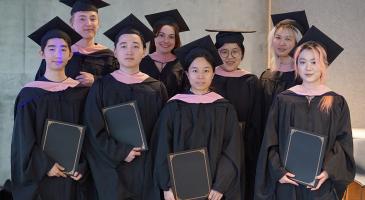
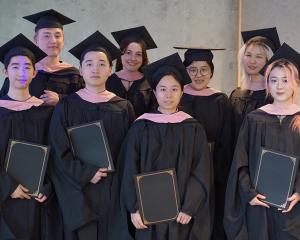
Highlights from the MS Capstone program graduation ceremony recognizing students in the class of 2026.
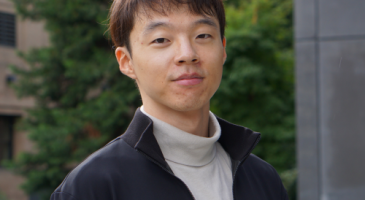
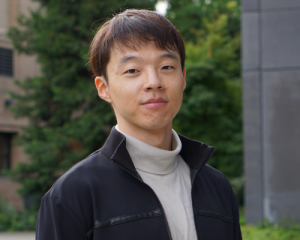
Q&A with PhD student Bumjun Park discussing what inspired him to pursue biostatistics, experience in the UW PhD program, and goals for the future.
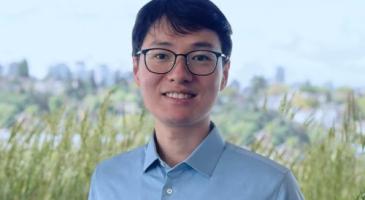
University of Washington researchers are part of a team that has developed a powerful tool that uses single-cell studies to improve our understanding of disease genetics.


Rare diseases affect a small percentage of the population, but collectively, they impact millions. The University of Washington Genetic Analysis Center (GAC) plays a key role in efforts aimed at discovering the cause of currently unexplained rare genetic diseases, knowledge that could improve genetic testing, shorten time to diagnosis, and expand treatment options as the Data Coordinating Center (DCC) for the Genomics Research to Elucidate the Genetics of Rare (GREGoR) Consortium.

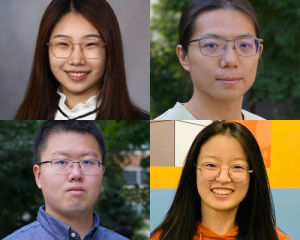
Four biostatistics PhD students mentored by University of Washington biostatistics faculty Ting Ye through her TREND lab, have been recognized with 2026 Student Paper Competition honors from the American Statistical Association (ASA).


A recent analysis by University of Washington researchers supports longtime concerns surrounding the acquisition and use of information collected through the Human Genome Diversity Project (HGDP).


Congratulations to two University of Washington Biostatistics students who have won first place in the 2026 American Statistical Association (ASA) Student Paper Competitions in the Section in Genomics and Genetics.
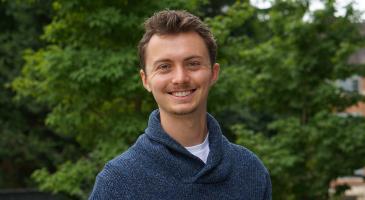
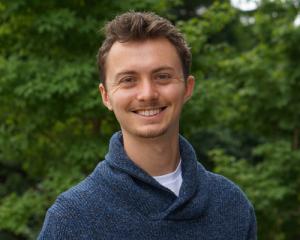
Ethan Ashby, a PhD student in Biostatistics PhD at the University of Washington, has received a Distinguished Student Paper Award from the International Biometric Society Eastern North American Region (ENAR) for his paper, “Debiasing hazard-based estimates of time-varying vaccine effects using vaccine-irrelevant infections: An application to an observational extension of a Phase 3 COVID-19 vaccine efficacy trial.”