News & Events
Latest


PhD student Bumjun Park reflects on his internship at the Gates Ventures Alzheimer's Disease Data Initiative, a global coalition of academic, industry, government and nonprofit partners working to foster research collaboration and data sharing to advance diagnostics, treatments and cures for Alzheimer’s Disease and related dementias (ADRD).
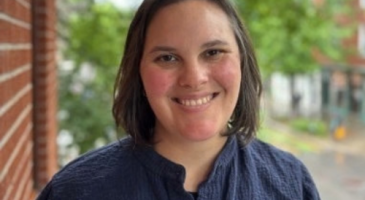
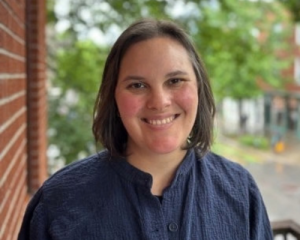
Biostatistics research coordinator Hannah Shucard is the recipient of the 2026 Anderson-O’Connell Outstanding Staff Award presented by the University of Washington School of Public Health. The award recognizes a staff member who demonstrates dedication, integrity, and service that makes a lasting difference to the public health community.


Building Relationships While Editing Experts
The Open Notebook,
Editing subject-matter experts, such as academic researchers, requires many of the same skills as editing journalists. But the craft often demands more upfront orientation to journalistic norms and explanation of edits to ensure a smooth process. Robin Mejia, an assistant teach professor of biostatistics with the University of Washington School of Public Health, is quoted.


Lurdes Inoue, professor of biostatistics at the University of Washington returns to the role of Biostatistics graduate program director beginning in the 2026-27 academic year.
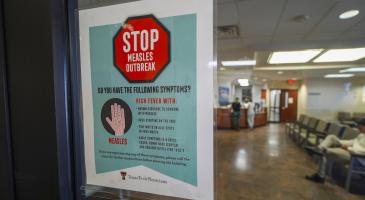
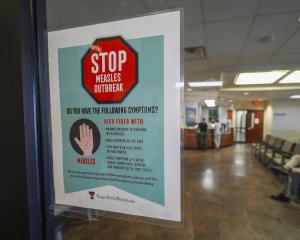
A story about the US and vaccines in 5 charts
POLITIFACT,
Coverage of rising U.S. measles cases is often coupled with news about Americans’ declining confidence in vaccines. UW Biostatistics faculty member Robin Mejia is quoted.