Stories
Featured stories about UW Biostatistics people, research, and impact.


Lurdes Inoue, professor of biostatistics at the University of Washington returns to the role of Biostatistics graduate program director beginning in the 2026-27 academic year.


Admissions information sessions for students interested in applying to one of the University of Washington Biostatistics graduate degree programs are scheduled in September. Attend one or more session to learn about each degree program's focus, format, curriculum, research opportunities, hands-on work experience, post-degree job outlook, admissions requirements, application process, and more.

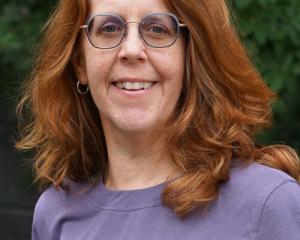
Vaccine hesitancy rose significantly during the COVID-19 pandemic and remains a growing challenge today. While previous studies have looked at the individual reasons people cited for delaying or refusing a vaccine, recent research led by UW Biostatistics faculty member Robin Mejia analyzed more than 310,000 responses from the U.S. Covid-19 Trends & Impact Survey (CTIS) to model how the different reasons selected by an individual might be related.
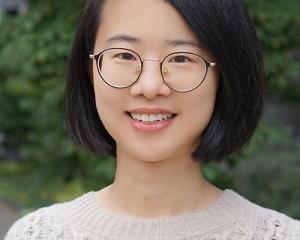
Congratulations to University of Washington Biostatistics faculty member Ting Ye on her promotion to associate professor with tenure, effective July 1, 2026.
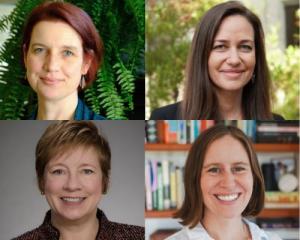
University of Washington School of Public Health researchers are part of the new Population Genomic Screening Network (PGSN), an NIH-funded program piloting community-level testing for well-understood genetic conditions.
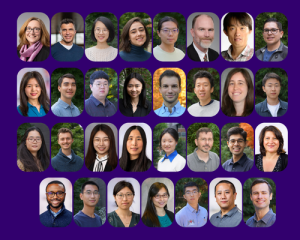
Check out this year's line-up of University of Washington Department of Biostatistics students, recent graduates, faculty, and alumni presenting at the Joint Statistical Meetings (JSM) in Boston, Massachusetts August 2-6, 2026.
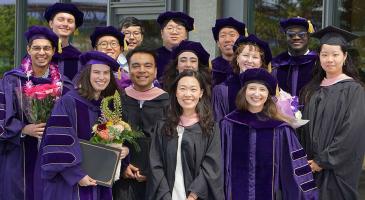
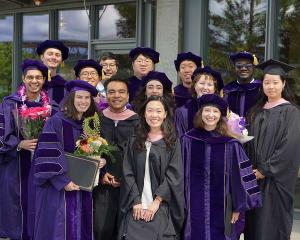
Highlights from the University of Washington Department of Biostatistics graduation ceremony held June 6, 2026. Students were celebrated for their academic accomplishments by faculty advisors and department leadership.
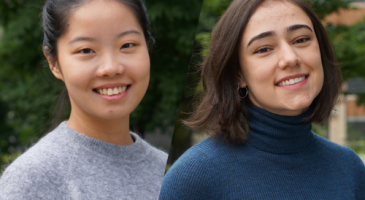
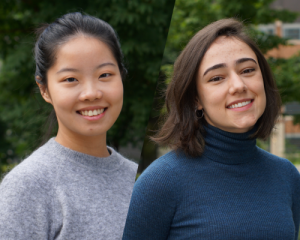
Congratulations to Yifan Lin, recipient of the Gilbert S. Omenn Award for Academic Excellence, and Gabriella Vasconcelos, recipient of Outstanding Doctoral Student, awared by the University of Washington School of Public Health.