Through the Cancer AI Alliance (CAIA), Jeff Leek (MS '07, PhD '09) and his team are seeking to enable AI-supported discovery of cancer treatments. “The goal is to 10x the speed with which a researcher can come up with an idea and have it executed,” says Leek, chief data officer at Fred Hutch Cancer Center.
In the News
Headlines featuring UW Biostatistics people and research.


UW faculty and alum Jeff Leek named to TIME's 100 AI 2025
TIME Magazine,


Two Thousand of America’s Top Scientists Warn Congress: Don’t Gut Research Funding
Forbes,
In a rare display of unity, thousands of America’s most accomplished scientists have joined forces to warn Congress that proposed FY26 budget cuts would do lasting damage to the nation’s economy, health, and global standing. Elizabeth Halloran, a member of the National Academy of Medicine and professor emeritus of biostatistics at Fred Hutchison Cancer Center and the University of Washington, is quoted.
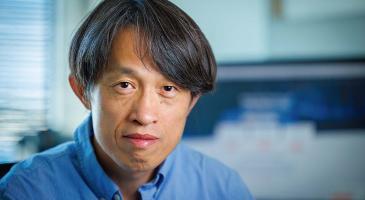
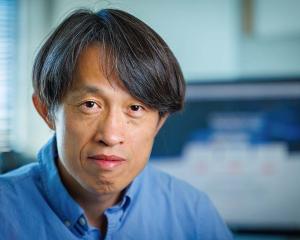
Looking beyond suspect genes in cancer
Fred Hutch News,
The Molecular Phenotypes of Null Alleles in Cells (MorPhiC) project wants to find the function of every protein-coding gene in the human genome by discovering what happens or doesn’t happen in a cell when that gene is turned off using cell culture models that mimic the function of real tissues and organs. Morphic data analysis center co-lead and UW faculty affiliate Wei Sun is interviewed. Fellow co-leads include Ali Shojaie, interim chair and professor for UW biostatistics, and Fred Hutch researcher and UW faculty affiliate Li Hsu.

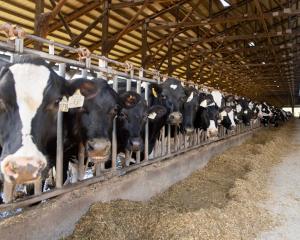
Animal feeding operations are increasing Whatcom’s air pollution, study finds
Cascadia Daily News,
New research finds that many vulnerable Whatcom County populations live within a concerning distance to potentially polluting cattle and hog operations. Lianne Sheppard, interim chair of the University of Washington Department of Environmental & Occupational Health Sciences and professor of biostatistics, is quoted.


Women’s Health Initiative: Research that keeps on giving
Fred Hutch News,
Emeritus Professor of Biostatistics Ross Prentice and faculty member and alum Garnet Anderson, PhD, are quoted in this story about the longstanding Women’s Health Initiative’s and its contributions to women’s health


Dr. Peter Gilbert receives Marvin Zelen Leadership Award in Statistical Science
Fred Hutch News,
“This is really an award to a huge number of people,” said Gilbert, who leads the Statistical Data Management Center (SDMC) of the HIV Vaccine Trials Network (HVTN), headquartered at Fred Hutch. “No one’s research can bear fruit in isolation; this is a testament to the gifts given to me, and to the people who worked with me and supported my career.”


Children exposed to higher ozone levels early in life are more likely to develop asthma
UW News,
UW Professor of Biostatistics Adam Szpiro is co-author of a study, recently published in JAMA Network Open, that examined the link between early childhood exposure to ozone and a child’s risk of developing asthma.


Children exposed to higher ozone levels early in life are more likely to develop asthma
UW News,
Professor of Biostatistics Adam Szpiro collaborated on a study that found that children exposed to higher levels of ozone in their first two years of life were significantly more likely to be diagnosed with asthma or wheezing at ages 4-6 — but researchers didn’t observe the increased risk of asthma at ages 8-9. The study was published in a recent JAMA Network Open.