A wrap-up of the Seventh Seattle Symposium in Biostatistics
Biostatistical leaders from around the world came together at the Seventh Seattle Symposium in Biostatistics on November 22-25 to explore the evolving role of causal inference in biomedical research. The wide-ranging discussions revealed compelling insights and highlighted areas where coordinated efforts across academia, industry, and government could have immediate impact on public health and medicine.
Symposium Co-Chairs
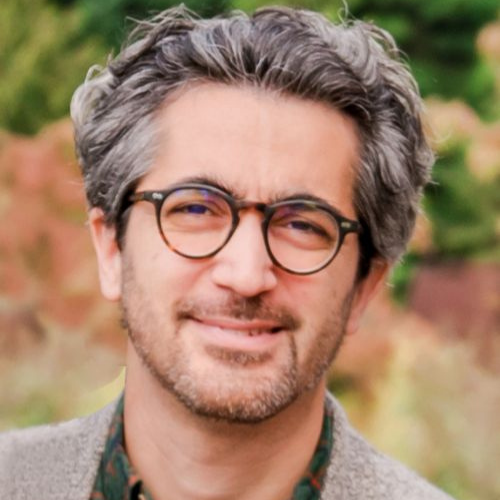
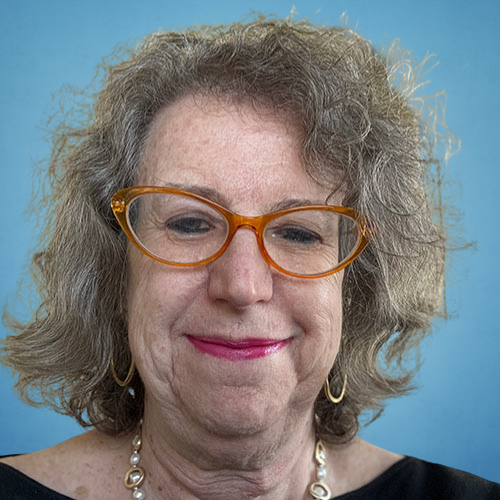
The field of causal inference has grown rapidly and is now central to modern biostatistics. Causal inference provides precise principles and techniques for determining when and how causal questions can be answered from available data. It helps explain whether an exposure or treatment truly causes a health effect or whether an observed association instead reflects confounding or other biases. It also provides methods for evaluating treatment strategies in real-world settings and, importantly, guidelines for designing more informative trials and observational studies.
“Over the Symposium’s four days, we took a remarkable journey through the landscape of modern causal inference, from foundational questions about estimands and the role of causal thinking in clinical decision making, to the methodological tools that enables rigorous learning from observational data, to opportunities created by the explosion of electronic health records and data integration methods, and finally to a rich conversation about where the field stands today and where it is headed,” said Andrea Rotnizky, Symposium co-chair and a professor of biostatistics at the University of Washington School of Public Health.
The journey produced several key themes, each pointing toward concrete strategies for improving clinical decision-making and public health:
- A deliberate causal lens sharpens statistical thinking. It clarifies which questions available data can truly answer and which design features are necessary to support credible causal conclusions.
“Throughout the Symposium, one message resonated clearly: causal inference is not just a tool or even a toolbox. It is a formal framework—with its own language—that guides researchers in generating reliable scientific evidence, evidence that ultimately strengthens public health and medicine,” said Marco Carone, a UW professor of biostatistics who shared co-chair duties with Rotnitzky.
- The long-standing divide between clinical trialists and causal inference methodologists must be dismantled. These communities have too often worked in silos, leaving critical opportunities to strengthen biostatistics, clinical research, and public health not fully realized.
“Trialists were reminded of the value of the explicit and transparent formulation of assumptions in causal inference and of the robustness built into many modern causal inference methods. In turn, causal inference researchers were reminded of the enduring value of randomization, the necessity of rigorous reproducibility—especially when machine learning enters the workflow—and the risks of relying on unverifiable assumptions,” said Carone.
- A principled framework is needed to ensure the reliability of causal inferences drawn by integrating evidence across studies. Whether the goal is to answer questions no single study can address or to boost precision, formal data fusion is essential.
“An example can be found in clinical areas with rare diseases, where borrowing information from historical or observational sources may be indispensable. Yet these opportunities come with real risks, including the potential for introducing systematic bias, that require careful methodological guardrails,” said Carone.
- The growing potential—and risk—of emerging AI tools.Speakers highlighted exciting opportunities to leverage large language models and related technologies in biostatistical practice, while emphasizing that principled safeguards, transparency, and thoughtful evaluation will be crucial for their responsible use.
“My hope is that students and faculty who attended feel energized and inspired to take on these challenges. The Symposium made clear that progress in these areas can meaningfully shape the future landscape of biomedical research and practice,” said Carone.
The Seattle Symposium is held every five years, with the next slated for 2030.
Special Thanks
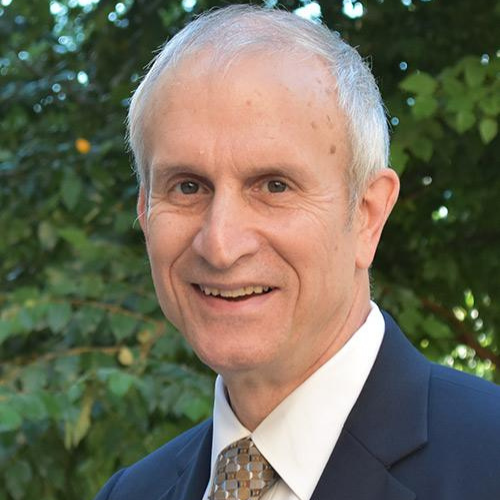
Thomas Fleming, professor and former chair of the UW Department of Biostatistics, organized the first Seattle Symposium in 1995 and has played a crucial role in all the Symposiums since.
“I want to extend a very special and heartfelt thanks to Tom Fleming for this unwavering dedication to the UW Department of Biostatistics and to the Symposium series. Tom is truly the soul of this endeavor. He has been part of the organization of all seven symposiums over the past 35 years. His wisdom, steady leadership, and countless hours of work have shaped every step of this event,” said Rotnitzky.


